Lift Pit Depth Guide: Minimum Requirements, Sizes, and Design Considerations
Why is lift pit depth considered a critical part of lift planning?
When people are concerned with the installation of a lift, they are likely to consider the cabin, doors, or control systems. Nevertheless, the lift pit depth is one of the most critical technical parameters, which has a direct influence on the safety and reliability of the lift. The lift pit is the area formed below the lowest floor, where the critical components of the lift move during the stopping process.
A lift pit depth that has been properly planned will ensure that the lift moves smoothly, that the buffers work properly, and that the technician has access to the components during maintenance. Failure to observe or calculate the depth of the lift pit could result in serious problems.
Lift Pit Depth Made Simple
How is lift pit depth measured in real projects?
Practically speaking, lift pit depth is measured from the finished floor level of the lowest landing to the bottom of the pit. Typically, builders will ask for the lift pit depth in feet.
Although the requirements are specific to the type of lift and its capacity, in most cases, a standard passenger lift will require a pit size measuring between 3 feet and 5 feet. This will ensure that there is adequate space for buffers, guide rails, and safety devices.
What determines the minimum lift pit depth?
The minimum lift pit depth is not a random number. It is based on technical and safety needs, such as:
- Buffer compression distance
- Space for guide rail brackets
- Clearance for lift car underside
- Safety space for inspection personnel
The minimum lift pit depth is set by manufacturers and regulatory bodies to guarantee that the lift is safe even in emergency situations. It is not allowed to go below this minimum and frequently results in rejection during inspection.
Is there a standard reference for minimum lift pit depth in PDF format?
When making plans, many experts prefer to consult an official minimum lift pit depth PDF. These records typically originate from:
- Lift manufacturers
- National elevator safety codes
- Local building authorities
Acceptable pit dimensions, building materials, drainage specifications, and safety clearances are described in a minimum lift pit depth PDF. Early use of such documentation reduces the need for expensive installation corrections.
How does lift pit design affect overall lift performance?
Lift pit design encompasses not only depth but also the construction and protection of the entire pit. A well-thought-out pit design extends equipment life and lowers maintenance risks.
Key elements of proper lift pit design include:
- Waterproofing to prevent moisture damage
- Drainage systems or sump pumps
- Reinforced concrete flooring
- Adequate lighting and access points
A well-designed pit ensures that the lift is dependable for the duration of its service life while supporting the necessary lift pit depth.
What is the recommended passenger lift pit depth?
The depth of the passenger lift pit is a frequently asked question in commercial projects. Because passenger lifts have more safety buffers and smoother stopping mechanisms than goods lifts, they typically require deeper pits.
For most passenger lifts, the depth of the pit is normally between 3.5 feet and 5 feet. This depends on the capacity and the type of drive system used in the lift. The depth of the pit for a passenger lift should meet the required standards from the manufacturer and the relevant safety guidelines.
How does lift pit size change with passenger capacity?
Lift capacity is important in determining pit dimensions. As the number of passengers increases, the lift pit size gets larger. This is because bigger cabins need more support and extra space.
Combined guide for 4, 6, and 8 passenger lifts
When evaluating lift pit size for 4 passenger, lift pit size for 6 passenger, and lift pit size for 8 passenger systems, the differences become clear:
- 4 passenger lifts usually require small pit dimensions, which makes them suitable for homes and small buildings.
- 6 passenger lifts require a slightly larger pit to support the increased cabin weight and the spacing of the guide rails.
- 8 passenger lifts need wider and deeper pits to manage higher loads and safety clearances.
Although exact measurements vary, more passenger capacity always leads to a larger lift pit size and slightly deeper lift pit depth.
What are typical lift pit sizes used in residential and commercial buildings?
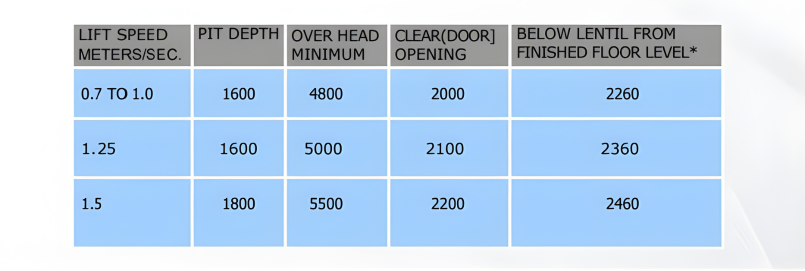
Although the exact measurements are subject to the specifications of the manufacturer, some general guidelines are as follows:
- Residential lifts have smaller pit sizes with minimal depths.
- Medium-capacity lifts used in offices and apartments require wider pit sizes and depths.
- High-capacity passenger lifts require extensive pit sizes for buffers and safety devices.
These variations show why it’s important to plan the lift pit size early in architectural design.
Why is drainage important when deciding lift pit depth?
Water accumulation is one of the most prevalent problems associated with poorly designed lift pits. Even if the depth of the lift pit is properly designed, a lift pit without proper drainage can lead to:
- Rust formation of metal parts
- Electrical malfunctions
- Hazardous maintenance conditions
Contemporary lift pit design always involves drainage or sump systems, particularly in regions where the groundwater level is high.
Can lift pit depth be reduced in renovation projects?
In retrofits, space constraints may pose a problem in reducing the lift pit depth. Although modern lifts can be installed in shallower pits, the minimum lift pit depth cannot be compromised.
Special designs for low-pit or pitless lifts can be explored, but these are associated with increased costs.
What happens if minimum lift pit depth is not followed?
Ignoring the minimum lift pit depth can lead to serious problems, such as:
- Failed safety inspections
- Lift operation restrictions
- Increased wear on buffers
- Risk to passengers and technicians
Authorities enforce pit requirements strictly. Compliance is not negotiable.
Should lift pit depth be greater than the minimum?
It is often advised by many engineers to design the pit slightly deeper than the minimum requirement. This will ensure that there is additional clearance beyond the minimum lift pit depth, which will increase the safety factor and make future maintenance easier.
A little extra depth will go a long way in preventing major operational challenges in the future.
What mistakes should be avoided during lift pit planning?
Some common pitfalls are:
- Finalizing architectural drawings without consulting the lift
- Assuming that one standard depth of lift pit suits all types of lifts
- Ignoring drainage and waterproofing considerations
- Overlooking future maintenance access
By avoiding these pitfalls, the installation process will go smoothly, and the lift will perform well.
How do professionals finalize lift pit depth and size?
The professionals determine the lift pit depth by considering the following factors:
- Lift capacity and type
- Technical drawings provided by the manufacturer
- Safety code requirements
- Site conditions
This method ensures that the size and depth of the lift pit are optimal.
Conclusion
Whether it is a domestic lift or a commercial passenger lift, the depth of the lift pit is an integral part of lift safety and functionality. Lift pit size, capacity requirements, passenger lift pit depth, and the standards mentioned in a minimum lift pit depth PDF document are essential in preventing costly mistakes.
Proper planning of the pit from the start will ensure smooth approval and a longer life for your lift system.
Frequently Asked Questions
The depth of a lift pit is the vertical distance between the finished floor of the lowest landing serving the lift pit and the bottom of the pit. This serves to provide room for important safety components, such as buffers and guide rails, and clearance below the bottom of the car while it moves and in case of an emergency.
Of course, guidelines and a minimum depth PDF of the lift pit are usually available through certified lift manufacturers, the safety authority in any country regarding elevator safety, and the local building control authorities. Reputed and trustworthy lift firms like HexaLifts also offer support in this regard in order to ensure compliance and safety in regard to lift pit depth, construction of the pit, and safety requirements.
Determining the appropriate depth of the lift pit is vital to ensure proper stopping distances, buffer operation, and safe access of people for the purpose of carrying out maintenance work. Inadequate depth of the lift pit may result in compromised passenger safety, equipment damage, and possible non-adherence to safety standards.
Failure to meet minimum lift pit depth requirements can easily result in inspection failure, limited operations, safety risks, and very costly structural modifications. If one wants an approved lift, then compliance is absolutely necessary for the long haul in its operation.Absolutely! You can choose cabin finishes, lighting, and door styles to complement your home’s aesthetics.

Bio - I am Kunal, a content creator with strong writing experience in the real estate and construction industry. I focus on crafting clean, impactful communication that helps modern brands connect with their audience. At HexaLifts, I simplify technical elevator concepts into clear and engaging messages that support confident customer decisions. My approach blends lifestyle storytelling with practical industry insight, creating content that adds real value for homeowners, builders, and professionals.
Delhi
Noida
Gurgaon
Join us in this video as we explore HexaLifts and highlight the features of our installed lifts.
Request a Free Quote
Fill out the form and we’ll get back to you within 24 hours
Our Recent Lifts & Elevator Installation



Our Products
-
 Premium Capsule Lift
₹700,000.00 /Starting PriceRated 5.00 out of 51 review
Premium Capsule Lift
₹700,000.00 /Starting PriceRated 5.00 out of 51 review -
 Structure Lift
₹1,500,000.00 /Starting PriceRated 5.00 out of 51 review
Structure Lift
₹1,500,000.00 /Starting PriceRated 5.00 out of 51 review -
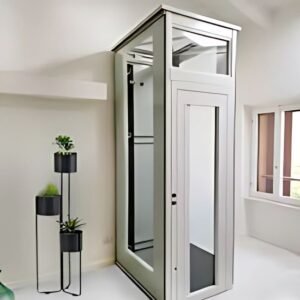 Small house lift
₹700,000.00 /Starting PriceRated 0 out of 5
Small house lift
₹700,000.00 /Starting PriceRated 0 out of 5 -
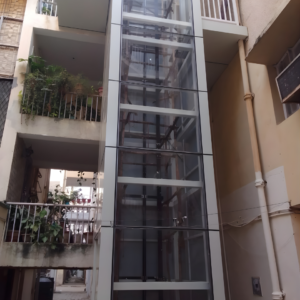 DDA Lift
₹2,200,000.00 /Starting PriceRated 0 out of 5
DDA Lift
₹2,200,000.00 /Starting PriceRated 0 out of 5 -
 Premium Passenger Lift With Machine Room
₹550,000.00 /Starting PriceRated 5.00 out of 51 review
Premium Passenger Lift With Machine Room
₹550,000.00 /Starting PriceRated 5.00 out of 51 review -
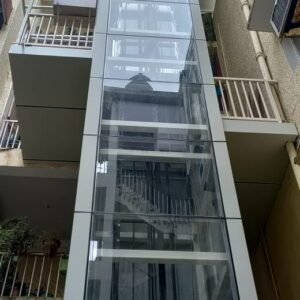 Outdoor Lift
₹1,500,000.00 /Starting PriceRated 0 out of 5
Outdoor Lift
₹1,500,000.00 /Starting PriceRated 0 out of 5
Hexa lifts is a subsidiary company owned by Ventac Escalators. Established in 2009, Hexa Lifts comprises of an integrated team of Engineers and Technicians with 10-20 years experience in various aspects of the Escalator INDUSTRY namely Design, Estimation, Execution,