The Comprehensive Guide for Fire Safety in Lifts
Building management has this kind of mechanism for forgetting about fire safety in lifts until it is left too late. Lifts, as convenient as they are, represent substantial risks if proper safety measures are not in place. Here’s an all comprehensive guide to discussing all the aspects of fire safety in lifts so you’re well-informed and prepared if an unforeseen situation arises.
As we understand, elevators are a part of our daily life. However, it becomes very crucial to be aware of what to do in case of fire. Thus, in this all-inclusive guide, we have summarized all the basic factors related to fire safety in elevators in simple and easy language.
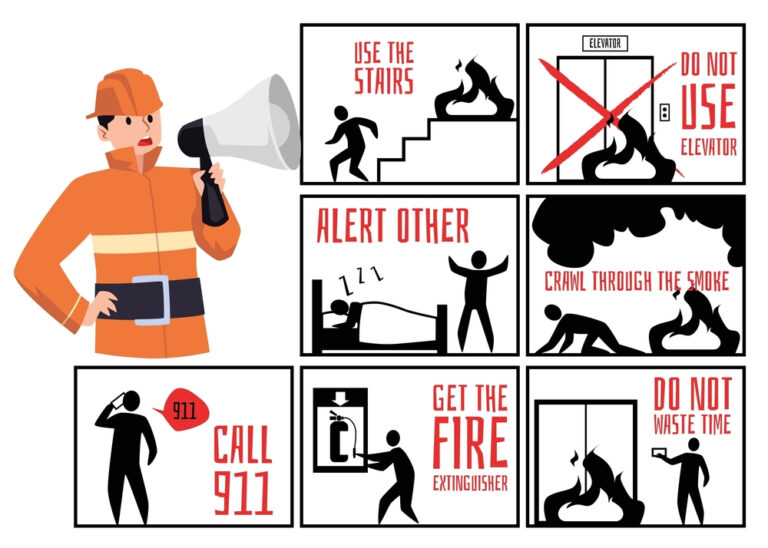
Understanding Fire Risks in Lifts
Lift fires can be caused due to some forms of electrical malfunction, mechanical fault, or even human fault. Having these risks known may serve as a first move in preventing the dangers from occurring. Based on the known causes of fires, the building managers would then take their preventive measures.
Common causes of lift fires
Electrical Malfunctions- Such fires can be flamed inside the lift machinery by faulty wiring, overcharged circuits, and overheated parts. These sparks may easily ignite adjacent flammable materials like lubricants, insulation, or wiring itself, hence leading to a rapid blaze.
Friction and Overheating-Friction and Overheating-Worn-out parts like brakes, gears, and bearings produce enormous heat due to friction. Such heat may eventually ignite surrounding materials in confined areas, such as those found in lift shafts if not provided with proper servicing of lubrication. Poor Maintenance-Issues of improper routine checks and inspections lead to deterioration in components and characteristics of safety; examples include the brake linings and malfunctioning fire detection systems and blocked ventilation ducts-all which increase the possibility of unseen fire hazards that might go unnoticed and hence spread.
Improper Maintenance-Accidental Ignition-Smoking, lit candles, or other naked flames inside the lift car may ignite flammable items present due to improper cleaning/maintenance. In addition, sparks from tools or equipment used within the lift shaft for repairs or modification can become a severe fire hazard
Accidental Ignition-In-vehicle Storage of Flammable Materials-Storing flammable liquids, chemicals, or gas cylinders inside the lift car constitutes one of the largest fire hazards in an elevator. Such materials are readily ignited by accidental sparks, friction, or electrical malfunctions, making for a hazardous condition to occupants trapped within the confined space.
Overload and malfunctioning doors-Stresses the machinery of the lift, thereby causing high friction, which leads to overheating and increases the possibilities of fire. The malfunctioning of doors traps flammable materials within the car of the lift. In case of fire, proper ventilation is obstructed, and the fire spreads.
Regulatory Framework
Emergency response procedures describe the proper utilization of lifts during fire cases. During emergency situations, people are actually discouraged from using lifts since they can present dangers. Instead, people are instructed to make use of specific stairwells or evacuation ways for a safer evacuation process.
Main Key Components of Fire Safety in Lifts
Emergency Communication Systems- Remaining calm in panic situations can totally disrupt judgment, leading to a lack of clear action. Breathe deeply and concentrate on evaluating the situation.
Activate the Alarm– Push the emergency call button, and immediately alert someone in the building or emergency responders.
Do not open the doors-Opening the doors will allow smoke and fire to enter your lift if it’s occurring outside, which will make you more vulnerable. Remain in the lift only if you receive clear instructions from response personnel.
Lie down on the floor-If smoke enters the lift car, cover your mouth and nose with a cloth to prevent inhalation of smoke and lie down on the floor.
Ventilation Control-Ventilation control in lifts is crucial for fire safety, managing smoke during emergencies. Systems are designed to enhance air quality, aiding evacuation. Proper ventilation control is vital for creating safer conditions during a fire incident.
Regular Maintenance and Inspections-Regular maintenance and inspections of lifts are vital for ensuring all fire safety in lifts features function properly. Testing communication systems, detectors, and other mechanisms is crucial to prevent malfunctions during emergencies. This proactive approach maintains the reliability and effectiveness of lift systems for safe evacuation procedures.
Training and Procedures-Building occupants and personnel should be trained in fire safety procedures, including the proper use of lifts during a fire evacuation. Clear signage and instructions should be provided.
Emergency Response Protocols
Emergency response protocols outline the correct use of lifts during fire incidents. Occupants are advised to avoid using lifts, as they may pose risks during emergencies. Instead, individuals are instructed to use designated stairwells or evacuation routes for a safer and more efficient evacuation process.
Here’s a guide of fire safety in lifts to navigate such situations with a calm and informed approach
Stay Calm -Panicking can cloud your judgement and hinder clear action. Take deep breaths and focus on assessing the situation.
Activate the Alarm -Press the emergency call button and alert building personnel or emergency responders immediately.
Do Not Open the Doors -If smoke or fire is present outside the lift, opening the doors will expose you to greater danger. Remain inside unless specifically instructed otherwise by emergency personnel.
Lie Down on the Floor-If smoke enters the lift car, cover your mouth and nose with a cloth or clothing and lie down on the floor to avoid inhaling smoke.
Follow Instructions -Listen carefully to any instructions provided by emergency responders through the two-way communication system or building alarms.
Technological Innovations of Fire Safety in Lifts
Modern technologies play a pivotal role in enhancing fire safety in lifts. From advanced fire suppression systems to state-of-the-art monitoring devices, we’ll explore the latest innovations that contribute to making lifts safer than ever before.
Advanced Safety Systems
Biometric Access Control -Fingerprint or facial recognition technology can restrict unauthorised access to lift controls, minimising the risk of vandalism and misuse.
Emergency Overriding Systems-Lifts equipped with these systems can automatically move to designated floors in case of a fire or other emergency, facilitating faster evacuation or providing access for firefighters.
Enhanced Connectivity and Communication
Two-Way Video Communication-Passengers trapped in a lift can communicate with emergency services or building personnel via video calls, providing vital information and reducing panic.
Connected Safety Systems-Lifts can be integrated with building management systems, allowing for centralised monitoring and control of safety features like fire alarms and emergency lighting.
Future Trends of fire safety in lifts
Future trends of fire safety in lifts point towards cutting-edge technologies, including advanced sensors and artificial intelligence. These innovations promise quicker detection, precise response mechanisms, and enhanced overall safety. Embracing these trends ensures lifts evolve into even more secure and reliable vertical transportation systems.
In conclusion, prioritising fire safety in lifts is not just a legal requirement; it’s a responsibility to everyone who uses or manages these essential systems. By understanding the risks, complying with regulations, embracing technology, and fostering a culture of safety, we can collectively ensure a safer environment for all.
By understanding the risks, following rules, and using new technologies, we create a secure environment. Regular checks, emergency plans, and education play vital roles. Remember, myths can mislead; it’s crucial to know the facts. Building a safety culture, learning from real incidents, and staying updated with global practices ensure a safer future. Let’s work together to make lifts not just convenient but also worry-free for everyone. Stay informed, stay safe!
Conclusion
Lifts offer unmatched convenience and comfort — but only when they’re installed and maintained with fire safety in mind. As we’ve seen, electrical faults, poor maintenance, overloaded machinery or even a simple ignition source can quickly turn a lift into one of the most dangerous spots in a building.
That’s why fire-resistant design, regular inspection, proper ventilation, reliable smoke detection, and emergency protocols are absolutely essential.
At HexaLifts, we believe safety must never be an afterthought. We build lifts with the highest fire-safety standards, integrate emergency communication and backup systems, and encourage building owners to follow maintenance schedules diligently.
Frequently Asked Questions
Home lifts come in compact designs, requiring minimal space. Some models can fit into areas as small as a closet, making them perfect for homes with space constraints.
Yes! Many home lifts are designed for retrofitting, requiring little to no structural modifications.
Installation typically takes 15–30 days, depending on site conditions and customization requirements.
Absolutely! You can choose cabin finishes, lighting, and door styles to complement your home’s aesthetics.

Bio - I am Kunal, a content creator with strong writing experience in the real estate and construction industry. I focus on crafting clean, impactful communication that helps modern brands connect with their audience. At HexaLifts, I simplify technical elevator concepts into clear and engaging messages that support confident customer decisions. My approach blends lifestyle storytelling with practical industry insight, creating content that adds real value for homeowners, builders, and professionals.
Delhi
Noida
Gurgaon
Join us in this video as we explore HexaLifts and highlight the features of our installed lifts.
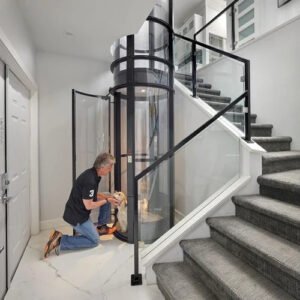
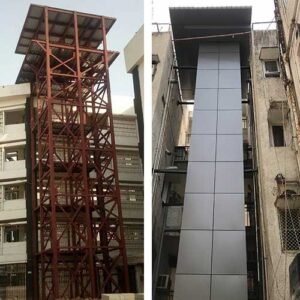
Our Recent Lifts & Elevator Installation



Our Products
-
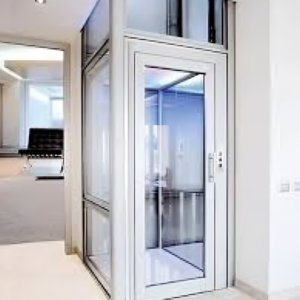 Premium Hydraulic Lift
₹750,000.00 /Starting PriceRated 4.00 out of 51 review
Premium Hydraulic Lift
₹750,000.00 /Starting PriceRated 4.00 out of 51 review -
 Premium Passenger Lift ( Machine Room Less )
₹650,000.00 /Starting PriceRated 4.00 out of 51 review
Premium Passenger Lift ( Machine Room Less )
₹650,000.00 /Starting PriceRated 4.00 out of 51 review -
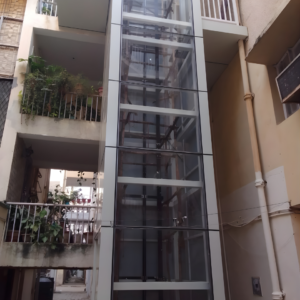 DDA Lift
₹2,200,000.00 /Starting PriceRated 0 out of 5
DDA Lift
₹2,200,000.00 /Starting PriceRated 0 out of 5 -
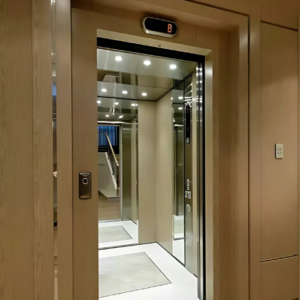 Luxurious Elevator
₹1,500,000.00 /Starting PriceRated 0 out of 5
Luxurious Elevator
₹1,500,000.00 /Starting PriceRated 0 out of 5 -
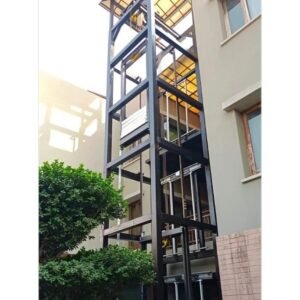 Structure Lift
₹1,500,000.00 /Starting PriceRated 5.00 out of 51 review
Structure Lift
₹1,500,000.00 /Starting PriceRated 5.00 out of 51 review -
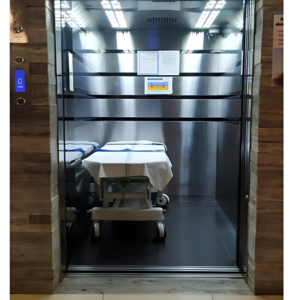 Hospital Lift
₹800,000.00 /Starting PriceRated 0 out of 5
Hospital Lift
₹800,000.00 /Starting PriceRated 0 out of 5
Hexa lifts is a subsidiary company owned by Ventac Escalators. Established in 2009, Hexa Lifts comprises of an integrated team of Engineers and Technicians with 10-20 years experience in various aspects of the Escalator INDUSTRY namely Design, Estimation, Execution,