Complete Cost of Running a Lift — Reduce Your Expense Today
The running cost of lift in India differs in India. Residential and commercial lifts are very important for transportation and convenience. The modern infrastructure of our country highly relies on lifts. However, the cost of running a lift in India depends on several factors.
Before planning to install a lift in your home or office, consider the various costs of maintaining it. This guide will give you detailed information and an understanding of it.
True Cost of Lift Operation
Factors Influencing the Maintenance Cost
Several factors play a role in determining the overall maintenance and cost of running a lift in a home. These include the type of lift, the number of floors, the lift’s carrying capacity, the technology used, and additional features or customization.
1. Carrying Capacity of Lift
The lift’s carrying capacity determines its power consumption because weight limits affect power usage directly. The design of a lift to accommodate heavier loads and more passengers leads to increased power requirements for its motor, which results in higher electricity consumption.
A lift designed to carry two people will need less power compared to a lift built to transport 10 to 12 persons. The running expenses of elevators remain lower for smaller models than for their larger, high-capacity counterparts.
2. Types of Lifts
The selection of a lift system for your home determines its operating expenses. There are several options, including:
● Hydraulic Lifts
Building owners can use hydraulic lifts in low-rise structures since these systems require lower installation and operating costs. Hydraulic lifts consume moderate amounts of energy yet require slightly higher maintenance costs since they need hydraulic fluid and seals.
● Traction Lifts
Traction lifts function optimally in tall structures because they combine high-energy use with efficient floor service. Installation costs for these lifts are higher but they provide longer service duration and need less upkeep than hydraulic systems.
● Screw and Nut Driven Lifts
The combination of screws and nuts functions as an efficient system for buildings with limited elevation yet proves inefficient when serving multiple floors.’
3. Lift Features
An increase in lift features directly leads to higher operating expenses. Additional features, including automatic doors, high-tech control systems, and energy-saving modes, enhance initial expenses but drive better operational energy management. The combination of glass shafts with luxury cabin materials such as wood paneling granite flooring, and touchscreens will lead to elevated installation expenses and operating expenses because of power usage.
Breakdown the Cost of Running a Lift
A home lift isn’t just for large bungalows or luxurious villas anymore. With increasing vertical construction even in urban and semi-urban homes, home lifts are becoming an essential feature. They make everyday movement easier, especially for senior citizens, individuals with mobility challenges, or families with young children.
In addition to convenience, a home lift also adds to the long-term value of a property. It’s an investment in both lifestyle and real estate.
Hexa Lifts: A Trusted Name in Home Lifts
The running cost of lift in India depends upon the power consumption and additional costs
1. Power Consumption
Residential lifts are built with energy efficiency in mind. However, actual power consumption varies depending on the type of lift and the number of floors it serves. For instance, traction lifts typically use more electricity than hydraulic ones. That said, newer models now come equipped with energy-saving technologies like regenerative drives, making them significantly more efficient.
● Average Power Consumption
With a 2-person lift, you should have a lift that burns about 0.5 to 1.5 kWh per round trip, which relies on the lift’s size, technology, and the count of flights it serves.
● Annual Power Consumption
When lifting the lift frequently in a 3-4 floor building, the overall power consumption might go from 200 kWh to 500 kWh yearly. This means spending INR 2,000 and INR 5,000 annually under your local electricity rates.
2. Maintenance Costs
Routine maintenance is vital to make your life work in a safe and more effective manner for many years. Regularly serviced lifts can be the reason for no-cost breakdowns and little-costs of repair in the future.
● Annual Maintenance Cost
A residential lift in India generally starts at INR 35,000 annually. This includes regular servicing, such as oiling the moving parts, checking the safety mechanisms, and replacing worn-out parts. For luxury lifts with the latest technologies, the maintenance cost can be up to INR 1 lakh or more.
● Breakdown Costs
The lift will likely stop when the servicing is not good (poor maintenance) or there are unforecasted problems. The repair charge may range from INR 15,000 to INR 50,000 per incident, depending on the gravity of the issue.
Cost of Installing Lifts for Different Floor Ranges
The number of floors a lift serves greatly influences the initial and after cost of running a lift. The vertical distance that the lift is covering is increased together with the lift shaft when the number of floors the lift serves is higher. The lift installation becomes more complicated, and therefore, the costs are higher. Below are the estimated costs of installing lifts for residential homes across different floor ranges.
1. Cost of a Lift for 4 Floors
The cost of running a lift which serves four floors ranges from INR 7 lakhs to INR 15 lakhs. The preference for traction lifts increases at this range because they provide superior handling of multiple floors. Higher maintenance expenses occur because the system operates at a complex level.
2. Cost of a Lift for 5 Floors
Lift installations of the ones that operate at five or more floors are, in some cases, even exceeding INR 10 lakhs. These lifts are mainly for tall buildings that need to have a higher level of technology (machine room less system) to fulfil the building requirements. Despite the fact that installation expenses are bigger, they are not the energy-consuming and give a smoother ride.
Additional Costs to Consider
Aside from the basic installation, power consumption, and maintenance costs, there are also other aspects to take care of when designing your lift installation:
● Installation Site Modifications
According to your building’s blueprint and the available area, additional civil work (such as alteration of the shaft or electrical systems) may be required, adding to the installation cost.
● Energy-Efficient Options
Although the first cost is higher, selecting regenerative drives, LED lighting, and automatic power-saving modes can lead to less power use and lower energy bills in the long run.
● Customization Features
The installation and running cost can be greatly increased by custom interiors, like designer panels, lighting, and flooring.
● Breakdown Costs
The lift will likely stop when the servicing is not good (poor maintenance) or there are unforecasted problems. The repair charge may range from INR 15,000 to INR 50,000 per incident, depending on the gravity of the issue.
Tips to Minimize Lift Running Costs
The number of floors a lift serves greatly influences the initial and after cost of running a lift. The vertical distance that the lift is covering is increased together with the lift shaft when the number of floors the lift serves is higher. The lift installation becomes more complicated, and therefore, the costs are higher. Below are the estimated costs of installing lifts for residential homes across different floor ranges.
● Pick Energy-Efficient Technology
Choose a strobe model that uses energy-saving tools such as LED lighting, regenerative drives, and standby modes.
● Regular Maintenance
Make sure to schedule maintenance checks to notify minor failings at the right moment. Also, well-maintained lifts are more energy-efficient.
● Right Lift Size
Do not make the mistake of getting a lift that is too big. Getting a lift that fits the specifications of your home without the additional power consumption is the best option.
Conclusion
The cost of running a lift in India depends on three main factors which are lift type together with floor count and additional features. The substantial initial installation expense can be offset by proper planning followed by regular maintenance activities, which minimize long-term operational costs. Your decision needs to balance energy efficiency with lift capacity and maintenance planning to find the best option for your home.
Frequently Asked Questions
Lift operation and maintenance expenses are mainly composed of electricity costs. The yearly power expenses for residential lifts amount to INR 2000 to INR 5000 yet annual maintenance expenses start at INR 75000.
The installation price of a standard 2-floor lift falls within the range of INR 8.5 lakhs to INR 15 lakhs before including GST.
Regular maintenance allows professionals to detect and resolve minor issues, which prevents major repairs and thus extends the lift’s operational life.
Absolutely! You can choose cabin finishes, lighting, and door styles to complement your home’s aesthetics.

Bio - I am Kunal, a content creator with strong writing experience in the real estate and construction industry. I focus on crafting clean, impactful communication that helps modern brands connect with their audience. At HexaLifts, I simplify technical elevator concepts into clear and engaging messages that support confident customer decisions. My approach blends lifestyle storytelling with practical industry insight, creating content that adds real value for homeowners, builders, and professionals.
home lift installation in dwarka | home lift installation in rohini | home lift installation in south delhi | home lift installation in west delhi | home lift installation in east delhi | home lift installation in central delhi | home lift installation in north delhi | home lift installation in faridabad
Delhi
Noida
Gurgaon
Join us in this video as we explore HexaLifts and highlight the features of our installed lifts.
Our Recent Lifts & Elevator Installation



Our Products
-
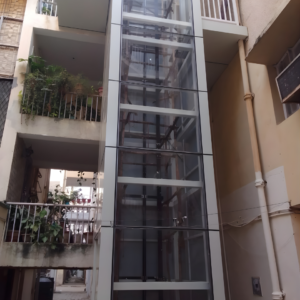 DDA Lift
₹2,200,000.00 /Starting PriceRated 0 out of 5
DDA Lift
₹2,200,000.00 /Starting PriceRated 0 out of 5 -
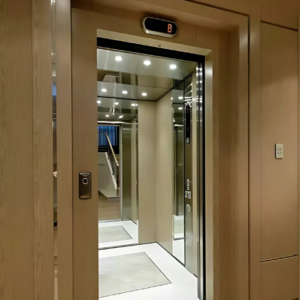 Luxurious Elevator
₹1,500,000.00 /Starting PriceRated 0 out of 5
Luxurious Elevator
₹1,500,000.00 /Starting PriceRated 0 out of 5 -
Mini Home Lift | Mini Elevators for Homes
₹750,000.00 /Starting PriceRated 0 out of 5
-
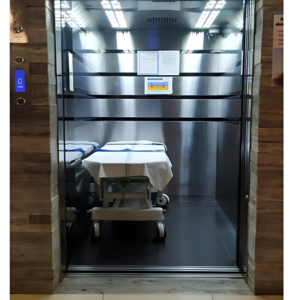 Hospital Lift
₹800,000.00 /Starting PriceRated 0 out of 5
Hospital Lift
₹800,000.00 /Starting PriceRated 0 out of 5 -
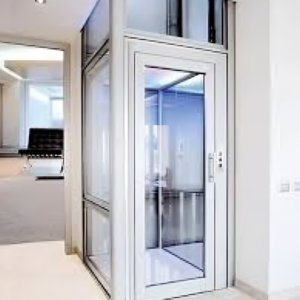 Premium Hydraulic Lift
₹750,000.00 /Starting PriceRated 4.00 out of 51 review
Premium Hydraulic Lift
₹750,000.00 /Starting PriceRated 4.00 out of 51 review -
 Car Parking Lift
₹1,000,000.00 /Starting PriceRated 5.00 out of 51 review
Car Parking Lift
₹1,000,000.00 /Starting PriceRated 5.00 out of 51 review
Hexa lifts is a subsidiary company owned by Ventac Escalators. Established in 2009, Hexa Lifts comprises of an integrated team of Engineers and Technicians with 10-20 years experience in various aspects of the Escalator INDUSTRY namely Design, Estimation, Execution,